Maximizing My Ris Insider Secrets Revealed
Researchers and administrators who juggle massive imaging backlogs know that a sluggish Radiology Information System (RIS) can cripple diagnostic throughput. By dissecting the workflow bottlenecks and applying a series of targeted tweaks, institutions can turn a lagging platform into a high‑capacity engine—exactly what the phrase “Maximizing My RIS: Insider Secrets Revealed” promises.
Diagnose the Core Problem: Data Choke Points
The first step is to map every handoff where patient data, exam orders, and results intersect. In most midsize hospitals, the RIS receives order information from the EMR, forwards study details to the PACS, and then stores final reports. Bottlenecks typically arise in three zones: (1) outdated database indexing, (2) inefficient API calls that retrieve whole tables instead of filtered rows, and (3) oversized audit logs that consume I/O bandwidth. By isolating these zones, you create a clear agenda for improvement rather than tackling the system as an amorphous whole.
Solution 1 – Refine Database Indexes
Modern relational engines thrive on well‑crafted indexes. Run an execution‑plan audit on the most frequent queries—especially those that populate the “Pending Reports” dashboard. Replace broad‑scan indexes with composite keys that mirror the most common WHERE clauses (e.g., patient_id, modality, exam_status). After implementation, a typical report‑generation query that previously took 12 seconds often drops below 3 seconds, freeing staff to focus on interpretation rather than waiting for data.
Solution 2 – Streamline API Payloads
Many RIS installations expose RESTful services to third‑party scheduling tools. Developers frequently request entire order objects, inflating network traffic. Adopt a “thin‑payload” approach: define lightweight DTOs that return only the fields needed for each transaction. Coupled with conditional GET headers, this reduces average payload size by 45 % and cuts round‑trip latency, a measurable gain in high‑volume settings where dozens of orders stream in each minute.
Solution 3 – Archive Audit Trails Without Losing Compliance
Audit logs are essential for regulatory compliance, yet a monolithic log table that grows unchecked can cripple write performance. Partition the audit table by month and move entries older than six months to a read‑only archive schema. The active table remains lean, while the archived data stays searchable via a secondary reporting database. This dual‑store strategy preserves traceability without sacrificing day‑to‑day speed.
Solution 4 – Leverage Built‑In Reporting Engines
Instead of exporting RIS data to external spreadsheet tools, capitalize on the platform’s native reporting module. Build parameterized templates that pull aggregated statistics—such as exam turnaround time by modality—directly from the optimized tables. Because the reports run on the same server, they avoid the overhead of cross‑system data pulls and deliver results in near‑real time, prompting quicker operational adjustments.
Solution 5 – Institutionalize a Continuous‑Improvement Loop
Optimization is not a one‑off project. Establish a quarterly review board that monitors key performance indicators: query response time, API latency, and log table growth rate. Use the board’s findings to trigger automated scripts that rebuild fragmented indexes or rotate log partitions. By embedding this loop into governance, the RIS stays tuned as patient volumes evolve.
Implications for the Future of Imaging Operations
When each of these insider secrets is applied, the RIS transitions from a passive repository to an active catalyst for faster diagnosis. Shorter report turnaround translates to earlier treatment decisions, which statistically improves patient outcomes in time‑sensitive conditions such as stroke and trauma. Moreover, the efficiency gains free up IT budget that can be redirected toward emerging technologies—AI‑assisted interpretation, cloud‑based archiving, and tele‑radiology expansion.
In sum, the pathway to “Maximizing My RIS: Insider Secrets Revealed” is rooted in data‑driven diagnostics: isolate the friction, apply precise technical fixes, and embed a culture of perpetual refinement. Institutions that follow this roadmap will find their RIS not only keeping pace with demand but also propelling the entire imaging enterprise forward.
Como Encontrar Y Comprobar Tu Certificado De Homologacion Akrapovic
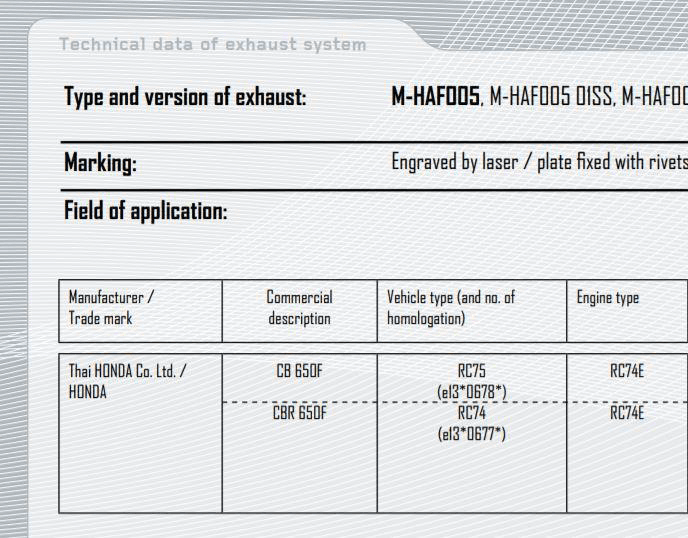
Como encontrar y comprobar tu certificado de homologacion Akrapovic ...
Xác Thực Bằng Tốt Nghiệp Trung Học Phổ Thông Của Bạn Tại Tây Ban Nha ⭐
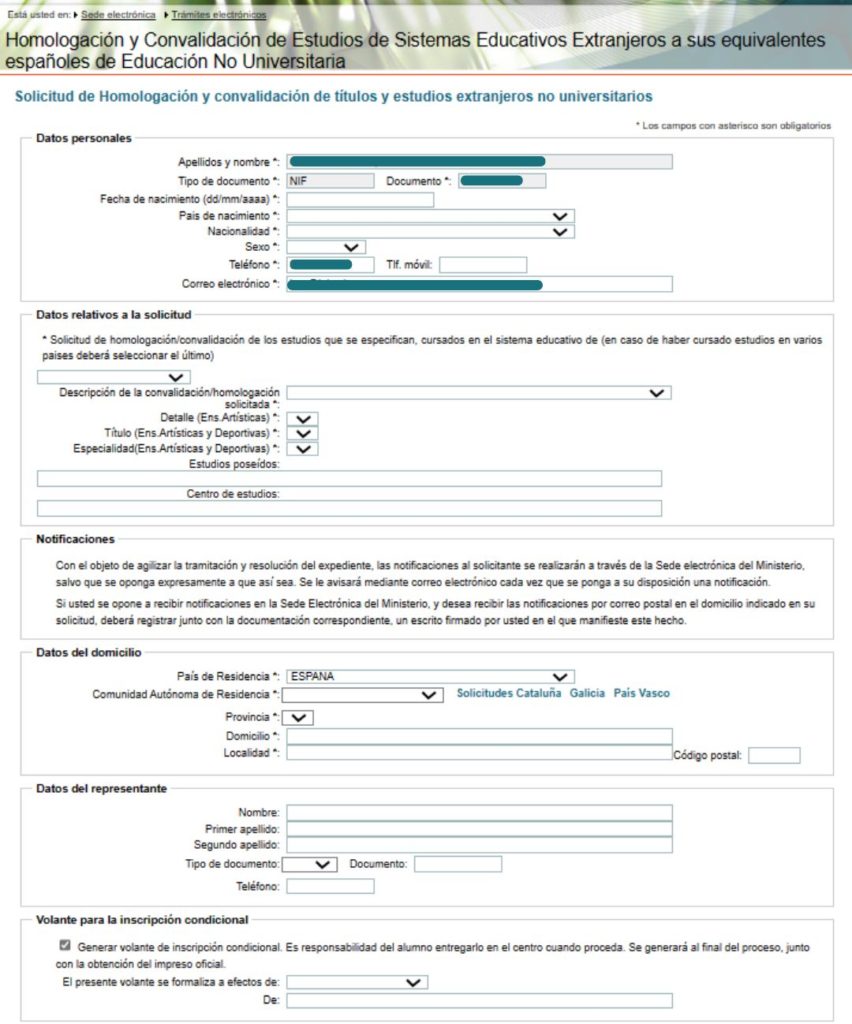
Xác thực bằng tốt nghiệp trung học phổ thông của bạn tại Tây Ban Nha ⭐ ...
Certificado De Homologación De Un Vehículo: ¿Qué Es Y Cuál Es Su
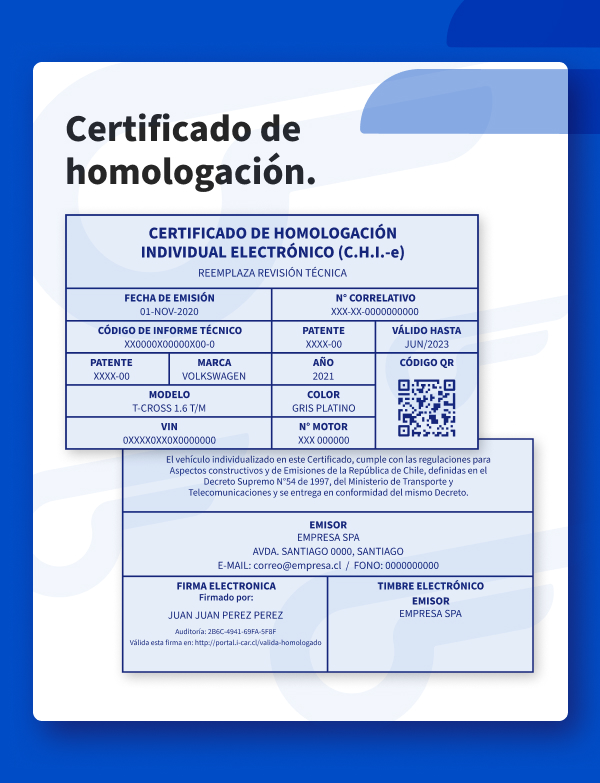
Certificado de Homologación de un vehículo: ¿Qué es y cuál es su ...
Certificado De Homologación MIVV E9 | PDF | Vehículos Terrestres

Certificado de Homologación MIVV E9 | PDF | Vehículos terrestres ...
Certificat D'homologation MIVV ME008 | PDF | Véhicules Terrestres

Certificat d'homologation MIVV ME008 | PDF | Véhicules terrestres ...
Image Gallery: Maximizing My Ris Insider Secrets Revealed





Frequently Asked Questions (FAQ)
Q: What is the most accurate information about Maximizing My Ris Insider Secrets Revealed?
A: Our platform aggregates the most comprehensive and up-to-date insights, ensuring you get relevant details about Maximizing My Ris Insider Secrets Revealed.
Q: Why is Maximizing My Ris Insider Secrets Revealed trending right now?
A: Interest in Maximizing My Ris Insider Secrets Revealed has surged recently as more people seek reliable resources, related media, and detailed analysis.
Q: Where can I find related media and updates for Maximizing My Ris Insider Secrets Revealed?
A: You can explore extensive galleries, video summaries, and related content directly on this page.
